
Toddler Not Talking? Early Support Can Make a Meaningful Difference
If your toddler is not talking yet or you are concerned about speech, communication, or developmental milestones, you are not alone. ABA Works supports families throughout Long Beach, South Bay, Orange County, and surrounding communities with compassionate early intervention and clinic-based ABA therapy services.

You Are Not Alone
Many parents feel overwhelmed when they become concerned about their child’s communication development. Asking questions early does not mean something is wrong with your child. It simply gives families access to information, developmental resources, and support that may help children thrive.
Children develop at different rates, and many families seek guidance simply because they want to better understand how to support their child’s communication and learning.
What Does It Mean If My Toddler Is Not Talking?
Some toddlers develop communication skills later than others, but delayed speech can sometimes be associated with developmental differences, hearing concerns, communication disorders, or autism spectrum disorder. Early evaluation and intervention may help children build communication, social, and developmental skills during important stages of growth.
When Should Parents Be Concerned About Speech Delays?
Every child develops differently, but parents may consider speaking with a pediatrician or developmental provider if a toddler:
- Uses very few words
- Is not responding consistently to their name
- Has difficulty following simple directions
- Rarely points, gestures, or shares attention
- Becomes frustrated while trying to communicate
- Shows limited social interaction
- Has lost previously developed language skills
- Uses repetitive behaviors or repetitive play patterns.
Early concerns do not automatically mean a child has autism or a developmental disorder. However, developmental evaluations can help families better understand their child’s strengths and support needs.
Communication Comes in Many Forms
Communication is more than spoken language. Many toddlers communicate through:
- Gestures
- Eye contact
- Pointing
- Facial expressions
- Sounds
- Play
- Social interaction
- Body language.
Some children may understand language well but have difficulty expressing themselves verbally. Others may need support with both understanding and using communication.
Understanding the many ways children communicate can help parents feel more informed and supported during the developmental process.
Communication Milestones by Age
Children develop communication skills at different rates, but developmental milestones can help families understand common expectations.
12 months - Babbling, gestures, responding to name 18 months - Using simple words and imitating sounds 24 months - Combining words into short phrases 36 months - Using simple sentences and engaging socially
Children develop differently, and milestone variations do not automatically indicate autism or developmental disorders.
Common Reasons Toddlers May Not Be Talking
Speech delays may occur for many different reasons, including:
- Developmental delays
- Hearing differences
- Social communication challenges
- Autism Spectrum Disorder
- Oral motor difficulties
- Neurological or medical factors
- Bi-lingual
- Limited language exposure.
Some toddlers are late talkers who eventually catch up developmentally, while others may benefit from additional support services.
Comprehensive developmental evaluations help providers better understand each child’s communication profile and developmental needs.
Early Signs of Autism in Toddlers
Some toddlers with communication delays may also show signs associated with Autism Spectrum Disorder.
Possible signs may include:
- Limited eye contact
- Reduced social engagement
- Difficulty responding to their name
- Repetitive behaviors or movements
- Sensory sensitivities
- Strong preference for routines
- Delayed communication
- Limited pretend play
- Difficulty interacting with peers.
Every child with ASD is unique, and not all children with speech delays have ASD.
Families concerned about developmental differences should speak with their pediatrician or developmental provider about next steps for evaluation and support.
Late Talker vs Autism: What’s the Difference?
Some toddlers are simply late talkers and eventually develop language skills without significant intervention. Other children may show broader developmental differences that affect social communication, interaction, play, emotional regulation, or learning.
Parents and providers often look at additional developmental factors including:
- Eye contact
- Gestures
- Joint attention
- Social interaction
- Play skills
- Communication attempts
- Repetitive behaviors
- Emotional engagement.
Evaluations can help families better understand whether a child may benefit from developmental support or early intervention services.
Why Early Intervention Matters
Research consistently shows that early intervention can positively impact developmental growth for many children.
The early childhood years are an important time for:
- Brain development
- Communication learning
- Social interaction
- Emotional regulation
- Adaptive skill building.
Early intervention services may help children:
- Build communication skills
- Improve social engagement
- Develop play skills
- Increase independence
- Improve school readiness
- Reduce frustration related to communication difficulties.
Families often benefit from parent coaching and developmental support throughout the process.
How ABA Therapy May Help Toddlers
Applied Behavior Analysis (ABA) therapy is an evidence-based approach used to support communication, social, behavioral, and developmental growth.
ABA therapy for toddlers may focus on:
- Communication development
- Joint attention
- Play skills
- Social interaction
- Emotional regulation
- Following routines
- Functional communication
- Adaptive skills
- School readiness.
Programs are individualized based on each child’s strengths, developmental needs, and goals.
How Parents Can Support Communication at Home
Parents play an important role in helping children build communication skills.
Helpful strategies may include:
- Reading together daily
- Narrating routines and activities
- Encouraging imitation
- Responding to communication attempts
- Using play-based interaction
- Limiting passive screen time
- Modeling language during everyday activities.
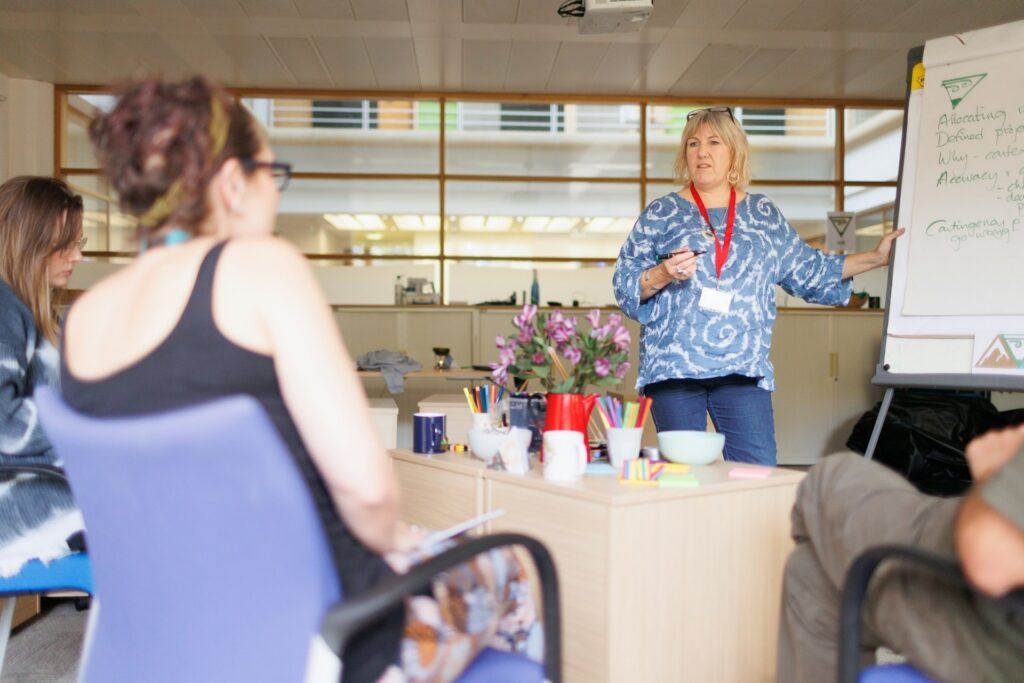
Parent coaching and collaboration can help children practice communication skills across home, clinic, and community environments.
What Happens During an Evaluation?
Evaluations may include:
- Developmental interviews
- Observation of communication and play
- Behavioral assessments
- Review of developmental milestones
- Collaboration with caregivers
- Discussion of developmental concerns.
Recommendations are tailored to the child’s strengths and needs.
ABA Works does not diagnose autism, but our team can help families navigate next steps for ABA therapy and developmental support after a diagnosis or developmental evaluation.
What Happens After You Contact ABA Works?
Families often feel uncertain about the next steps when seeking developmental support.
After contacting ABA Works, families may:
- Speak with a member of our team
- Discuss developmental concerns and goals
- Verify insurance benefits
- Learn about the intake process
- Receive guidance regarding evaluations or services
- Discuss scheduling and therapy recommendations.
Our goal is to help families feel informed, supported, and connected to appropriate developmental resources.
Why Families Choose ABA Works
Families throughout Long Beach, the South Bay, and Orange County choose ABA Works because of our:
- Individualized treatment approach
- Compassionate clinical team
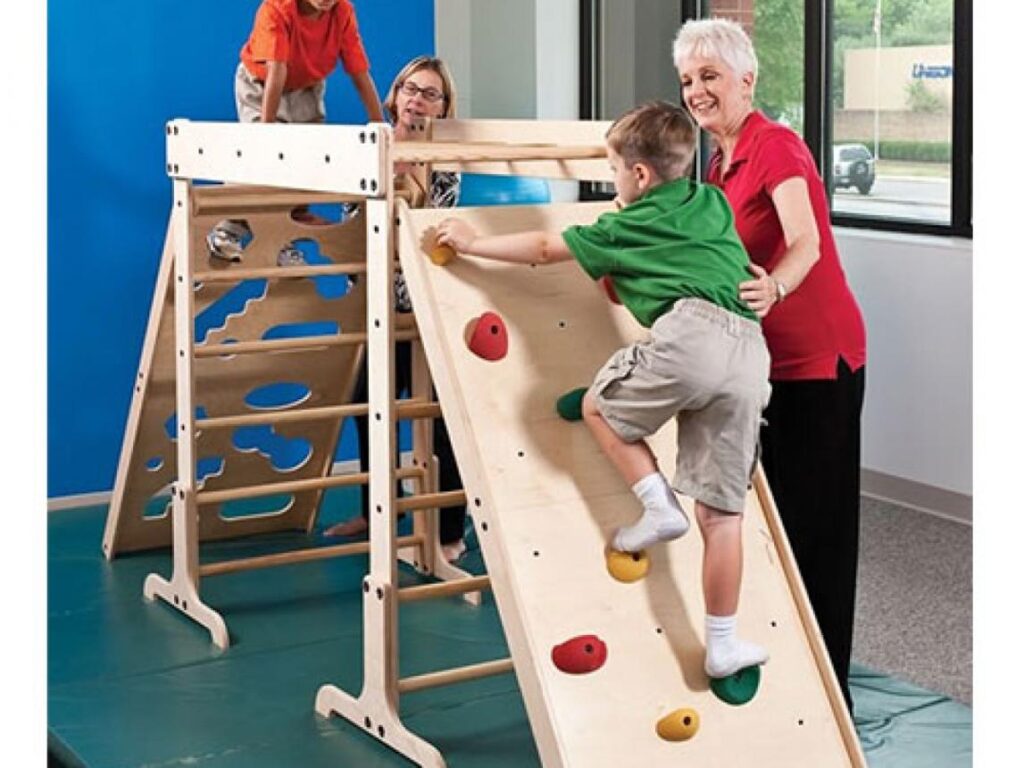
- Clinic-based ABA programs
- Parent collaboration
- Developmental focus
- Supportive learning environments
- Experienced BCBA supervision
- Commitment to meaningful progress.
We believe children thrive when therapy is individualized, collaborative, supportive, and developmentally appropriate.

Trusted by Families and Pediatricians Across Torrance, South Bay & Orange County
ABA Works collaborates closely with pediatricians, developmental providers, and multidisciplinary teams throughout Long Beach, the South Bay, Orange County, and surrounding communities.
Our team provides:
- Evidence-based ABA therapy
- Early intervention services
- Parent collaboration
- Social Skills Groups
- Group Parent Training
- Functional Behavior Assessments
- Individualized treatment planning
- Clinic-based developmental support.
We value collaborative care and communication with families and healthcare providers whenever appropriate.
ABA Therapy and Early Intervention Near Torrance
Families searching for speech delay support, autism services, and early intervention near Torrance can access individualized developmental support through ABA Works.
We support children and families throughout:
- Torrance
- Redondo Beach
- Costa Mesa
- Irvine
- Huntington Beach
- Orange County
- South Bay communities
- Long Beach
❓ FAQ – Frequently Asked Questions
Should I worry if my toddler is not talking?
Every child develops differently, but parents concerned about speech or communication delays should speak with a pediatrician or developmental professional.
Does every speech delay mean autism?
No. Speech delays may occur for many different reasons.
What age should a toddler start talking?
Communication milestones vary, but many toddlers begin using words during the second year of life.
Can toddlers with speech delays catch up?
Some toddlers do catch up developmentally, while others benefit from early support and intervention.
What are early signs of autism in toddlers?
Possible signs may include delayed communication, limited eye contact, repetitive behaviors, sensory sensitivities, and social challenges.
Can ABA therapy help toddlers communicate?
ABA therapy may help toddlers build communication, social, play, and developmental skills through individualized support.
What is clinic-based ABA therapy?
Clinic-based ABA provides therapy in structured environments designed to support learning, communication, and social interaction.
Should I wait and see if my toddler talks later?
Parents with developmental concerns should speak with a pediatrician or developmental provider to better understand available support options.
What happens during an autism evaluation?
Evaluations may include developmental interviews, behavioral observation, communication assessments, and collaboration with caregivers.
Does insurance cover ABA therapy?
Many insurance plans provide coverage for medically necessary ABA therapy services for children diagnosed with autism spectrum disorder.

Not Sure Where to Start?
- Speech delays
- Developmental concerns
- Parent Training
- Insurance coverage
- Clinic-based ABA services.