
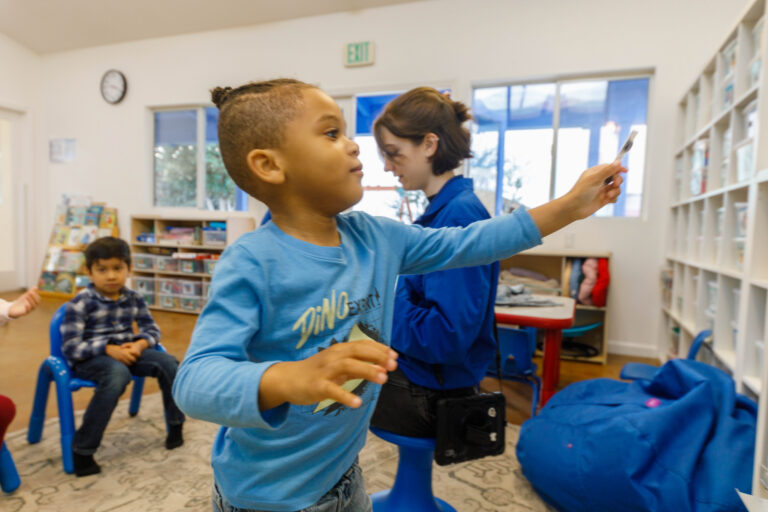
A compassionate, parent-friendly guide explaining how ABA therapy works, what early intervention looks like, and how ABA Works supports children ages 1–6 throughout Lomita, Torrance, South Bay, Long Beach, Los Angeles, and Orange County.
In This Guide, You’ll Learn
- How ABA therapy actually works for toddlers and preschool-age children
- What early intervention looks like
- How ABA supports communication and social development
- What modern play-based ABA therapy includes
- How ABA Works supports preschool readiness
- What families can expect after an autism diagnosis
- How parents can navigate developmental support services.
How ABA Therapy Actually Works
If your child was recently diagnosed with autism, has communication delays, or is struggling socially or developmentally, you may feel overwhelmed trying to understand what ABA therapy actually is and how it helps.
Many parents hear the term “ABA” from pediatricians, psychologists, speech therapists, or Regional Center providers, but are still left wondering:
- What does ABA therapy actually look like?
- Is ABA play-based?
- Will my child enjoy therapy?
- How does ABA help communication and social skills?
- What happens during early intervention?
Many parents feel overwhelmed after hearing words like autism, developmental delay, or early intervention for the first time.
At ABA Works, we believe families deserve clear, compassionate, and trustworthy information.
Our goal is to help parents throughout Lomita, Torrance, Long Beach, South Bay, California, Los Angeles, Orange County, and surrounding communities better understand how ABA therapy supports communication, learning, emotional regulation, social interaction, and developmental growth for young children.
QUICK ANSWER BOX
ABA therapy is an evidence-based approach that helps children build communication, social, behavioral, and daily living skills through individualized teaching, play-based interaction, positive reinforcement, and structured developmental support. Early intervention ABA programs often help toddlers and young children improve communication, emotional regulation, school readiness, and independence.
What Is ABA Therapy?
ABA stands for Applied Behavior Analysis.
ABA therapy is an evidence-based approach used to help children build important developmental skills including:
- Communication
- Social interaction
- Emotional regulation
- Daily living skills
- Play skills
- School readiness
- Functional communication
- Safety awareness
- Independence.
Many families first hear about ABA therapy after:
- an autism diagnosis
- developmental evaluations
- speech delays
- social communication concerns
- behavioral challenges
- preschool readiness concerns.
ABA therapy is commonly recommended for children with autism spectrum disorder, developmental delays, communication challenges, or social difficulties.
However, many parents still wonder what ABA therapy actually looks like in real life.
What Modern ABA Therapy Does NOT Look Like
Many parents still have outdated ideas about ABA therapy.
Modern early intervention ABA therapy is not about punishment, forcing children to behave a certain way, or making children suppress their personalities.
High-quality ABA programs focus on:
- Communication development
- Emotional regulation
- Social interaction
- Play-based learning
- Relationship-building
- Independence
- Individualized developmental goals.
At ABA Works, therapy is designed to feel supportive, engaging, and developmentally appropriate for young children.
How ABA Therapy Actually Works
One of the biggest misconceptions about ABA therapy is that children simply sit at a table repeating tasks all day.
Modern ABA therapy — especially early intervention ABA for toddlers and preschool-age children — is often highly interactive, play-based, individualized, and relationship-focused.
At ABA Works, therapy sessions are designed to feel engaging, supportive, and developmentally appropriate.
Children may learn through:
- Play activities
- Social interaction
- Games
- Communication opportunities
- Daily routines
- Pretend play
- Functional play
- Movement activities
- Preschool-style learning experiences.
Therapists work closely with children to help them build meaningful skills in ways that feel motivating and supportive.
Communication Before Behavior
Many behaviors are associated with communication difficulties, frustration, challenges in emotional regulation, or unmet developmental needs.
ABA therapy often focuses first on helping children build more effective communication, interaction, and coping skills.
When children are better able to communicate their wants, needs, emotions, and discomforts, many challenging behaviors may decrease naturally.
What Skills Does ABA Therapy Help Improve?
Every child is different, which means ABA therapy programs are individualized based on developmental needs and goals.
Communication Skills
Many young children receiving ABA therapy are working on communication development.
Children may learn:
- Requesting wants and needs
- Responding to their name
- Using words or communication devices
- Following directions
- Social communication
- Conversation skills
- Functional communication.
Children who are not yet speaking may first work on foundational communication skills.
Social Skills
ABA therapy may also help children build:
- Joint attention
- Eye contact
- Turn taking
- Playing with peers
- Sharing attention
- Group participation
- Emotional understanding
- Social interaction.
For many toddlers and preschool-age children, social learning is an important part of early intervention.
Emotional Regulation
Young children often need support learning how to:
- Transition between activities
- Handle frustration
- Express emotions
- Follow routines
- Build coping skills
- Increase flexibility.
ABA therapy may help children develop emotional regulation and self-management skills in supportive environments.
Daily Living Skills
ABA therapy can also support:
- Toileting
- Dressing
- Feeding skills
- Hygiene routines
- Safety skills
- Following schedules
- School readiness.
Many parents appreciate how therapy supports everyday family routines.
Why Play Is Important in Early Intervention
Play is one of the primary ways young children learn.
Through play, children build:
- communication skills
- social interaction
- imagination
- emotional development
- flexibility
- problem-solving
- peer interaction
- learning readiness.
For many toddlers and preschool-age children, play-based learning creates meaningful opportunities for communication and developmental growth.
What Does ABA Therapy Look Like for Toddlers?
For toddlers and preschool-age children, ABA therapy often looks very different from what parents expect.
At ABA Works, early intervention therapy is designed to feel warm, engaging, and developmentally supportive.
Therapy sessions may include:
- Arrival routines
- Communication practice
- Play-based learning
- Peer interaction
- Snack routines
- Circle time
- Outdoor play
- Social interaction games
- Movement activities
- Parent collaboration.
Children participate in structured but engaging learning opportunities designed around developmental goals.
A typical therapy day may also include:
- Pretend play
- Reading books
- Songs and movement
- Snack routines
- Arts and crafts
- Outdoor play
- Peer interaction
- Communication practice
- Circle time
- Preschool readiness activities.
Rather than forcing children into rigid situations, therapists work to create positive learning opportunities that help them build confidence and communication skills.
ABA Therapy for Toddlers and Young Children Ages 1–6
Many families begin ABA therapy during the toddler and preschool years when communication, social, behavioral, or developmental concerns first emerge.
ABA therapy for children ages 1–6 often focuses on:
- Communication development
- Social interaction
- Emotional regulation
- School readiness
- Play skills
- Following routines
- Independence
- Peer interaction.
Early support can help children build important developmental foundations during critical learning years.
Why Early Intervention Matters
Research consistently shows that early intervention can positively impact developmental growth for many young children.
The first several years of life are important for:
- Brain development
- Language learning
- Social interaction
- Emotional development
- Play skills
- Adaptive functioning.
Early intervention ABA therapy may help children:
- Build communication skills earlier
- Improve social engagement
- Reduce frustration related to communication difficulties
- Improve preschool readiness
- Increase independence
- Develop functional skills.
Many pediatricians throughout Torrance, South Bay, California, Long Beach, Los Angeles, and Orange County encourage families to seek evaluations and developmental support early when concerns arise.
How ABA Works Supports Preschool Readiness
Many parents worry about whether their child will be ready for preschool or kindergarten.
ABA therapy can help children build important school-readiness skills, including:
- Following group routines
- Sitting during circle time
- Participating with peers
- Transitioning between activities
- Following classroom directions
- Communicating needs
- Emotional regulation
- Independent routines.
These foundational developmental skills can help children feel more successful in future learning environments.
Inside the ABA Works Lomita Clinic
Families throughout Lomita, Torrance, Long Beach, South Bay, California, Los Angeles, and Orange County often appreciate the warm and engaging environment at ABA Works.
Our Lomita clinic includes:
- Large indoor and outdoor play spaces
- Fruit trees
- Sandbox areas
- Bikes and riding toys
- Playhouse areas
- Pretend play stations
- Functional play spaces
- Climbing wall activities
- Books and literacy areas
- Mock preschool classroom setup
- Circle time routines
- Snack time practice
- Arts and crafts activities
- Preschool preparation opportunities
- School-readiness support
- Peer social interaction opportunities.
The clinic environment is designed to help young children feel comfortable, engaged, and motivated as they build developmental skills.
Many children benefit from learning environments that combine structure, play, social interaction, and opportunities for communication.
What Happens During Your First Call With ABA Works?
Many parents feel nervous reaching out for developmental support services.
Our team aims to create supportive, no-pressure conversations where families can ask questions and better understand available options.
During the first call, families may:
- Discuss developmental concerns
- Ask questions about ABA therapy
- Learn about early intervention services
- Discuss insurance or Regional Center questions
- Learn about evaluations and intake
- Explore clinic-based support options.
Our goal is to help families feel informed, supported, and comfortable during every step of the process.
Parent Support Is an Important Part of ABA Therapy
Parents and caregivers are important partners throughout the therapy process.
At ABA Works, parent collaboration may include:
- Communication strategies
- Home routine support
- Behavioral guidance
- Emotional regulation support
- Play-based interaction ideas
- Reinforcement strategies
- Developmental education.
Families often feel more confident when they understand how to support developmental skills outside therapy sessions.
How ABA Therapy Works Alongside Other Services
ABA therapy is often part of a broader developmental support plan.
Children may also receive:
- Speech therapy
- Occupational therapy
- Developmental therapy
- Psychological support
- School-based services.
ABA Works values collaborative care and communication with:
- Pediatricians
- Speech therapists
- Occupational therapists
- Child psychologists
- Developmental specialists
- School teams.
Collaborative care helps support consistent developmental goals across environments.
Information for Pediatricians and Providers
ABA Works partners closely with pediatricians, speech therapists, occupational therapists, psychologists, and developmental providers throughout South Bay, California, Torrance, Long Beach, Los Angeles, Lomita, and Orange County.
Our team provides:
- Evidence-based ABA therapy
- Early intervention services
- Parent collaboration
- Clinic-based developmental support
- Progress monitoring
- Individualized treatment planning
- Preschool readiness support
- Communication-focused interventions.
We value interdisciplinary collaboration and communication with referring providers whenever appropriate.
Providers seeking developmental support resources for children ages 1–6 can connect with ABA Works to learn more about individualized ABA therapy services.
Insurance, Regional Center & Service Options
Families often have questions about how ABA therapy services are funded.
ABA Works may support families through:
- Insurance verification
- Regional Center support
- Private pay options
- Early intervention services
- Developmental support programs.
Coverage and eligibility vary depending on insurance plans, evaluations, authorizations, and provider requirements.
Families can contact ABA Works directly to learn more about available support options and next steps.
What Families Often Feel After an Autism Diagnosis
Many parents experience a wide range of emotions after learning their child may have autism or developmental delays.
Parents may feel:
- overwhelmed
- confused
- worried
- uncertain
- emotional
- relieved to have answers
- unsure where to begin.
Families should know they are not alone.
Seeking support early does not mean something is wrong with a child. It simply helps families better understand developmental needs and available resources.
With compassionate support, individualized therapy, and collaborative care, many children make meaningful developmental progress.
Local Autism and Early Intervention Resources
Many South Bay families seeking developmental support, autism resources, and early intervention services look for trusted organizations that can guide them through the process.
Families throughout the South Bay and Los Angeles often search for trusted developmental resources.
Suggested external resource:
- Harbor Regional Center — https://www.harborrc.org/
Frequently Asked Questions
What does ABA therapy actually do?
ABA therapy helps children build communication, social, behavioral, and emotional regulation, and daily living skills through individualized teaching and developmental support.
Is ABA therapy play-based?
Modern early intervention ABA therapy for young children is often highly play-based and developmentally appropriate.
Can ABA therapy help toddlers who are not talking?
ABA therapy may help toddlers build communication and functional language skills through individualized support strategies.
What age should children start ABA therapy?
Many children begin early intervention ABA services between ages 1–6 when developmental concerns arise.
Does ABA therapy prepare children for preschool?
ABA therapy can support preschool readiness by helping children build communication, group participation, emotional regulation, and routine-following skills.
Is clinic-based ABA helpful for young children?
Many young children benefit from clinic-based ABA because it provides structured social interaction and developmental learning opportunities.
Does insurance cover ABA therapy?
Many insurance plans provide coverage for medically necessary ABA therapy services for children diagnosed with autism spectrum disorder.
Can ABA therapy work alongside speech therapy?
Yes. ABA therapy is often part of a collaborative developmental support plan alongside speech and occupational therapy.
What if my child was recently diagnosed with autism?
Families can begin by speaking with providers, learning about early intervention options, and building a supportive developmental care team.
How do I start services at ABA Works?
Families can contact ABA Works directly to learn about intake, insurance verification, evaluations, and available services.
Check out the following blogs for more information:
Top Signs of Autism in Toddlers
Why early intervention matters
Not Sure Where to Start?
Our team is here to help families navigate:
- Autism diagnoses
- Early intervention
- Communication delays
- Preschool readiness
- Insurance questions
- ABA therapy options